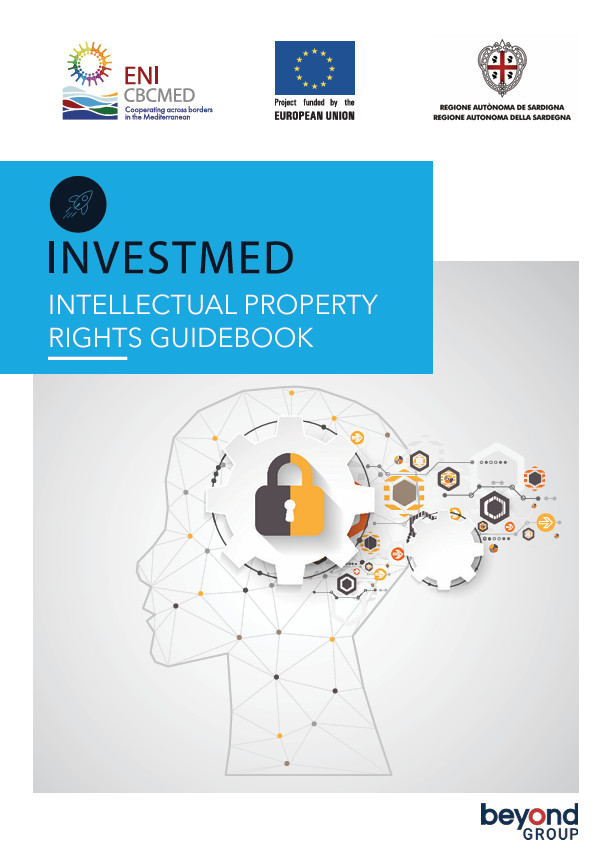
Intellectual Property Rights Guidebook
Background
Entrepreneurs across Lebanon, Tunisia, and Egypt face persistent gaps in accessing clear, practical, and context-sensitive information on Intellectual Property Rights (IPR). Misconceptions around what constitutes intellectual property, limited institutional capacity within national IP offices, and the high cost of registration leave early-stage innovators, especially youth and women, who are vulnerable to infringement, loss of ownership, and weak market competitiveness. To strengthen the entrepreneurial ecosystem and promote sustainable business growth, the INVESTMED project, funded by the European Union under the ENI CBC MED Programme, prioritized the development of a comprehensive guidebook that demystifies IPR and supports innovators in safeguarding their creations.
Assignment
Under INVESTMED, the consortium commissioned a multi-actor team to produce the Intellectual Property Rights Guidebook, a practical resource tailored to entrepreneurs and public bodies in the region. Beyond Group led the development of the guidebook, drawing on its expertise in policy, organizational learning, and innovation. SABA Intellectual Property contributed deep technical knowledge on the various IP components, registration processes, legal requirements, and international frameworks.
Seeds for Legal Initiatives was responsible for contextualizing and drafting key sections, most notably the Lebanon national legal framework on IPR (Annex 3), and providing legal insight on how Lebanese entrepreneurs can navigate local challenges related to copyright, patents, trademarks, industrial designs, and trade secrets. SEEDS’ contribution ensured that the guidebook reflects the realities of Lebanon’s business environment and supports innovators operating under economic and institutional constraints.
Additional analytical and research inputs were provided by the Euro-Mediterranean Economists Association (EMEA), particularly on economic context, entrepreneurship trends, and cross-country comparisons.
Research Approach & Methodology
The guidebook was developed using a multidisciplinary, evidence-informed process that combined:
- Legal analysis of international treaties (Paris Convention, Berne Convention, PCT, Madrid System, Hague Agreement, TRIPS, Lisbon Agreement) and national frameworks in Egypt, Tunisia, and Lebanon.
- Case studies from real start-ups in the three target countries to illustrate common mistakes, strategic gaps, and successful protection pathways.
- Comparative analysis of institutional capacities, registration procedures, and legal protections.
- Stakeholder engagement, including entrepreneurs, IP experts, business support organizations, and legal practitioners.
SEEDS’ involvement centered on clarifying Lebanese procedures, identifying gaps in national enforcement and awareness, and ensuring the guidebook reflects the practical challenges faced by MSMEs and innovators working in Lebanon today.
Key Insights
The guidebook highlights several recurring challenges across the region:
- Widespread misconceptions about what constitutes intellectual property and which elements require registration.
- Limited strategic planning among entrepreneurs, many of whom delay IP protection until after innovation disclosure, resulting in loss of novelty or ownership.
- Fragmented institutional environments, especially in Lebanon, where outdated frameworks and lack of reliable data hinder efficient registration.
- High financial and procedural burdens, particularly for patents and international filings, which discourage early-stage innovators.
- Underutilization of international mechanisms, such as PCT, Madrid, or Hague systems, due to lack of awareness.
Beyond Group, SABA Intellectual Property, Seeds for Legal Initiatives, & Euro-Mediterranean Economists Association. (2022). Intellectual Property Rights Guidebook (INVESTMED Project). European Union.